
Plastic Cup & Lid Materials Guide
PP, PET, rPET, CPET, CPLA and PS — each material solves a different foodservice challenge. This guide helps distributors and food-chain buyers choose the right cup and lid material by temperature range, clarity, sustainability profile and cost.

Why Cup & Lid Material Selection Matters
Temperature resistance, optical clarity, stacking strength, recyclability and cost vary widely across plastic cup materials. Choosing the wrong material can lead to warping in hot drinks, cracking in transit or regulatory non-compliance in plastic-restriction markets.
Cups and lids must also be material-matched: PP or PS for hot beverages, PET or rPET for cold drinks, CPET for oven-ready meals and CPLA for compostable programs. SOWINTOP manufactures all six materials in-house, giving buyers a single-source supply chain for every foodservice format.

Quick Material Comparison for Cups & Lids
Compare core properties of each plastic cup material to find the best fit for your program.
| Material | Best For | Temp. Range | Clarity | Sustainability |
|---|---|---|---|---|
| PP | Hot & cold cups, lids, containers | −10 °C to 100 °C | Translucent | Recyclable #5 |
| PET | Clear cold-drink cups & lids | 0 °C to 70 °C | Crystal clear | Widely recyclable #1 |
| rPET | Sustainable cold packaging | Similar to PET | Very clear | GRS-certified recycled |
| CPET | Ready-meal trays & lids | Freezer to 220 °C | Opaque | Recyclable in some streams |
| CPLA | Compostable hot-drink lids | Up to 95 °C | Opaque / matte | BPI compostable |
| PS | Lightweight sip lids, portion cups | Moderate heat | Opaque | Limited recycling |
Plastic Cup & Lid Materials Explained
PP — Hot & Cold Workhorse
The reliable standard for high-volume cups and containers across hot and cold foodservice applications. PP withstands temperatures up to 100 °C without warping, making it ideal for coffee, tea and soup programs.

PET — Crystal-Clear Cold Drinks
Crystal-clear presentation for cold beverages, bubble tea and fresh food retail display programs. PET delivers the highest optical clarity among common plastics, enhancing shelf appeal and brand visibility.

rPET — Recycled-Content for Sustainable Programs
GRS-certified recycled content formats meeting retailer and foodservice sustainability sourcing mandates. rPET cups and lids use post-consumer recycled PET to help brands achieve ESG targets without sacrificing cold-drink performance.

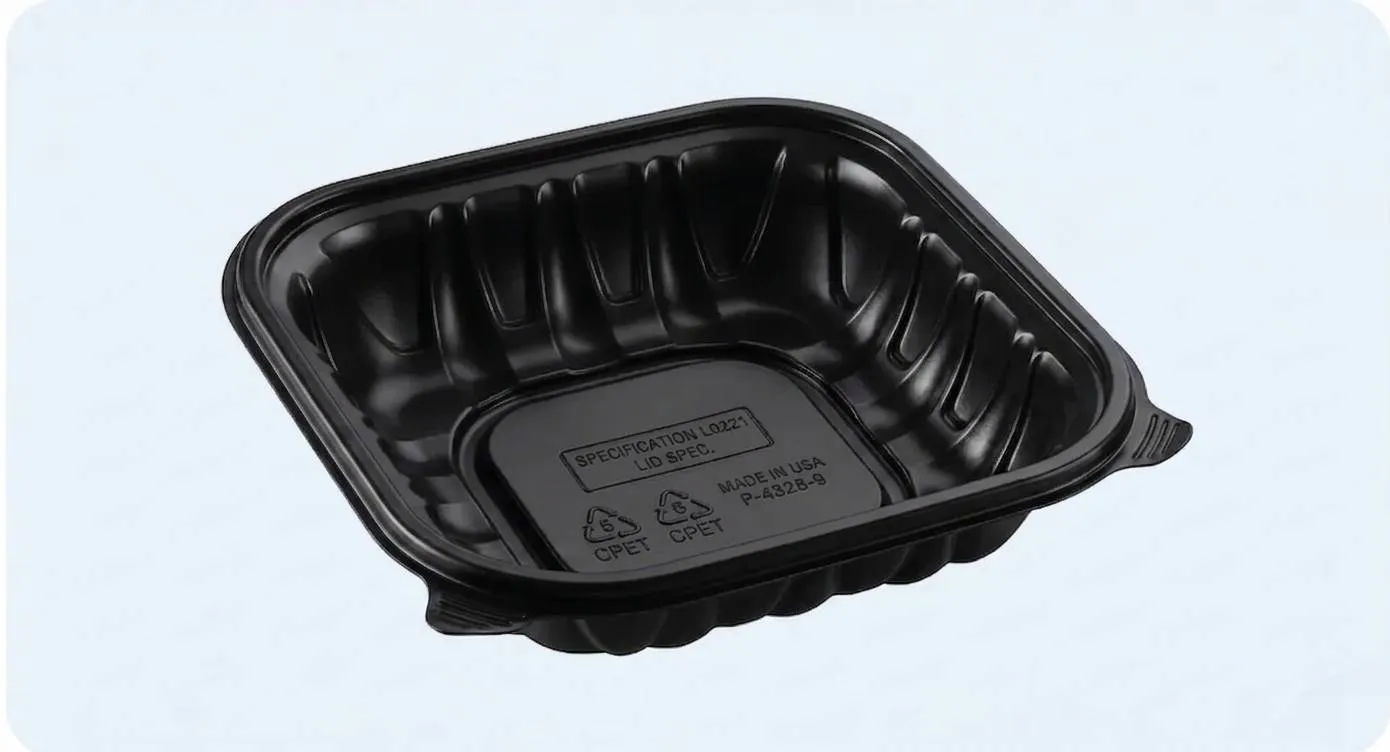
CPET — Dual-Ovenable Ready Meals
Dual-ovenable performance validated to 220 °C for retail ready-meal and frozen food programs. CPET trays and lids withstand the full temperature cycle from freezer storage through microwave or conventional oven reheating without warping.
CPLA — Compostable for Regulated Markets
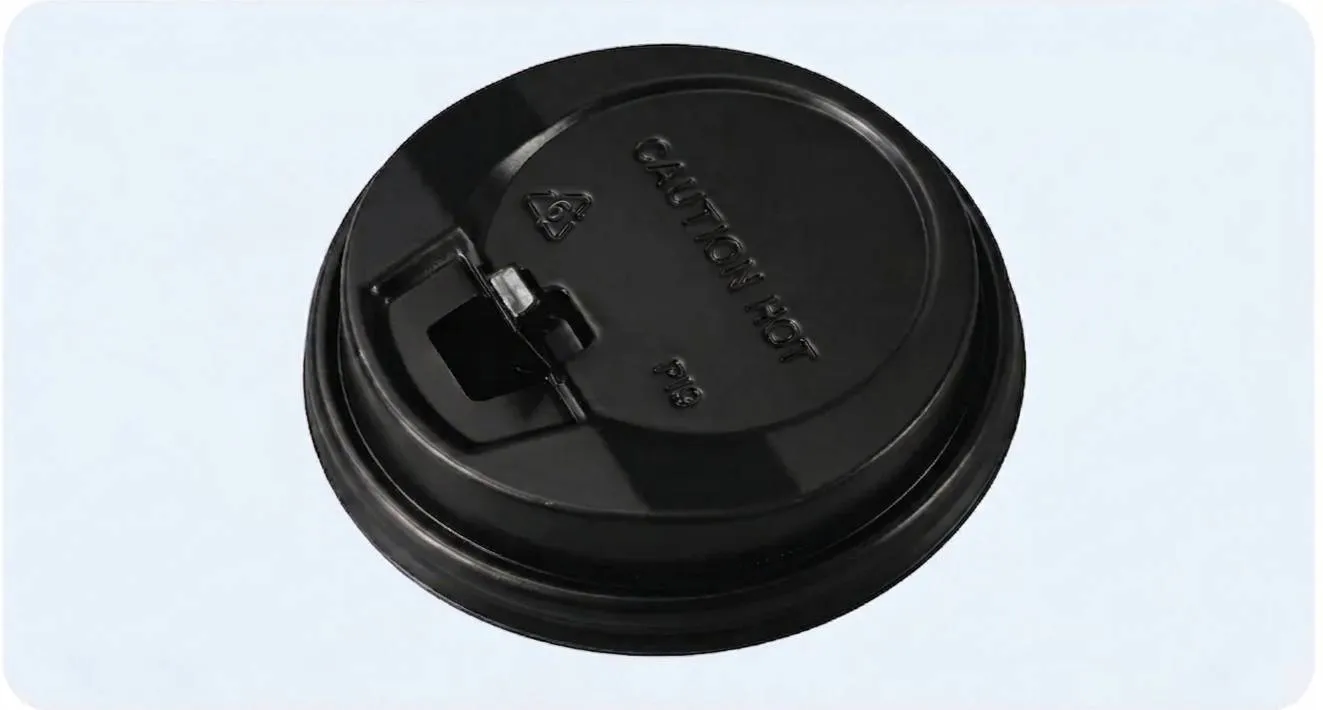
BPI-certified commercially compostable formats for single-use plastic restriction compliance markets. Made from plant-based PLA then crystallized for hot-drink temperature resistance up to 95 °C.
Note: CPLA requires industrial composting facilities. Not suitable for home composting or standard recycling.
View CPLA Lids →
PS — Lightweight & Cost-Efficient
Lightweight and cost-efficient formats optimized for standardized high-volume foodservice procurement programs. PS provides good dimensional stability at a lower material cost, making it practical for budget-focused operations.
Choose the Right Material for Your Application
Match your beverage or food type to the best plastic cup material for performance, cost and compliance.
Hot Coffee & Tea
Needs heat resistance above 90 °C and a secure sip lid to prevent spills during delivery.
Cold Drinks & Bubble Tea
Requires high clarity for brand visibility and dome lids for toppings and straws.
Smoothies & Iced Drinks
Needs strength for thick liquids plus headroom with dome lids for whipped cream or garnishes.
Soups & Noodles
Must resist high heat and oils without warping. Secure lid seal for safe takeout transport.
Ready Meals & Frozen
Full freezer-to-oven cycle. Trays and lids must withstand −20 °C storage and 220 °C reheating.
Eco-Focused Programs
Meets single-use plastic bans with compostable hot lids and recycled-content cold cups.
Material Safety, Compliance & Certifications
Every plastic cup and lid material SOWINTOP produces is food-contact compliant and manufactured under certified quality systems. Our in-house laboratory runs migration testing and material verification to ensure each batch meets international food safety standards.
Recycled-content formats carry GRS certification. Compostable products hold BPI or EN 13432 certification. Full test reports, MSDS documents and compliance certificates are available on request.

Explore Cups & Lids by Material
Browse our full range — filtered by the material that fits your program.
Plastic Cup & Lid Material FAQ
PP (polypropylene) is the most widely used plastic cup material for hot drinks because it resists temperatures up to 100 °C without warping. For programs in plastic-ban markets, CPLA compostable lids paired with paper cups offer a compliant alternative.
PET and rPET share similar clarity and temperature performance. The key difference is feedstock: rPET is made from post-consumer recycled PET and carries GRS certification, helping brands meet sustainability sourcing mandates without changing cup or lid design.
Yes. rPET cups use recycled content for cold drinks, reducing virgin plastic demand. CPLA lids are commercially compostable and designed for hot-drink programs in markets with single-use plastic restrictions. Both options maintain foodservice-grade performance.
Yes, you can use the same lid for both hot and cold cups if it's made from PP (Polypropylene), PS (Polystyrene), or CPLA (Polylactic Acid). These three materials offer excellent temperature versatility, with PP and PS being the most common choices for dual-temperature applications. CPLA presents an eco-conscious alternative, as it's commercially compostable while maintaining the same temperature flexibility. However, PET (Polyethylene Terephthalate) lids are not suitable for hot beverages. PET is designed exclusively for cold drinks, as exposure to high temperatures causes the material to warp and deform, compromising both functionality and safety. When selecting a lid, always verify the material composition to ensure it matches your intended use.
All SOWINTOP cup and lid materials are FDA food-contact compliant and EU 10/2011 tested. Production runs under BRC and HACCP quality systems. rPET products hold GRS certification; CPLA products carry BPI or EN 13432 compostability certification.
